
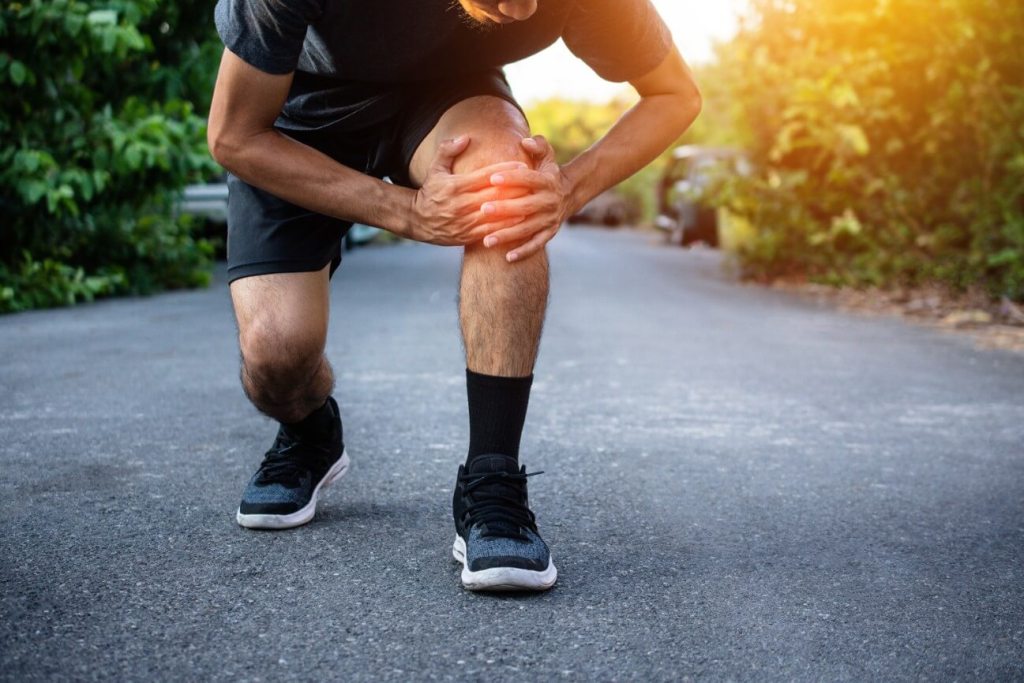
The medial collateral ligament (MCL) is a critical structure in the knee that helps stabilize the joint, particularly during side-to-side movements. Injuries to the MCL are common among athletes and active individuals, often resulting from sudden impacts or twisting motions. This blog post will delve into the causes, symptoms, and treatment options for MCL injuries, offering insights for those looking to prevent or recover from this common knee issue.
What is an MCL Injury?
The MCL is located on the inner side of the knee and connects the thigh bone (femur) to the shinbone (tibia). An MCL injury typically occurs when the knee is subjected to force from the outside, pushing it inward. This can happen during sports that involve sudden changes in direction, like soccer, football, or skiing.
Causes of MCL Injuries
MCL injuries are often the result of:
- Direct impact to the outside of the knee: Common in contact sports, where collisions or tackles can place excessive force on the knee.
- Sudden changes in direction: Sports like basketball, soccer, or skiing can lead to MCL injuries due to the quick pivots and turns involved.
- Overuse or repetitive stress: Activities that consistently strain the knee joint can weaken the MCL over time, making it more susceptible to injury.
Symptoms of an MCL Injury
An MCL injury can vary in severity, ranging from a mild sprain to a complete tear. Common symptoms include:
- Pain on the inside of the knee: The most common symptom, often occurring immediately after the injury.
- Swelling and tenderness: The knee may become swollen and tender to the touch, particularly along the inner side.
- Instability: Depending on the severity of the injury, you may feel like your knee is unstable or “giving way” during movement.
- Limited range of motion: Flexing or extending the knee may be painful or difficult, particularly in more severe injuries.
Diagnosing MCL Injuries
If you suspect an MCL injury, it’s essential to consult with a healthcare professional for an accurate diagnosis. They will typically perform a physical examination to assess the knee’s stability and may order imaging tests, such as an MRI, to determine the extent of the damage.
Treatment Options for MCL Injuries
Treatment for an MCL injury depends on the severity of the injury:
- Rest and Ice: Mild MCL injuries (Grade 1) can often be managed with rest, ice, and over-the-counter pain relievers. Avoiding activities that stress the knee is crucial during recovery.
- Physical Therapy: Rehabilitation exercises can help restore strength and flexibility to the knee, ensuring a smooth return to normal activity. Physical therapy is often recommended for moderate (Grade 2) injuries.
- Bracing: A knee brace may be used to provide additional support and prevent further injury while the MCL heals.
- Surgery: Severe MCL injuries (Grade 3), involving complete tears, may require surgical intervention, particularly if other structures in the knee are also damaged.
Recovery and Prevention
Recovery from an MCL injury can take anywhere from a few weeks to several months, depending on the severity. Following your healthcare provider’s recommendations and participating in a structured rehabilitation program can help ensure a full recovery.
To prevent future MCL injuries:
- Strengthen the muscles around the knee: Exercises that target the quadriceps, hamstrings, and hip muscles can provide better support and stability.
- Warm-up before activities: Proper warm-up routines can prepare the muscles and ligaments for the physical demands of sports and exercise.
- Wear appropriate footwear: Shoes that provide good support and are suitable for your activity can reduce the risk of knee injuries.
Conclusion
MCL injuries, while common, can be effectively managed with prompt diagnosis and appropriate treatment. Whether you’re an athlete or someone who enjoys an active lifestyle, understanding the causes, symptoms, and treatment options for MCL injuries can help you stay on top of your knee health. Remember, prevention is key, so take the necessary steps to protect your knees and maintain your mobility.
 Bench Smart Physio
Leave a comment