
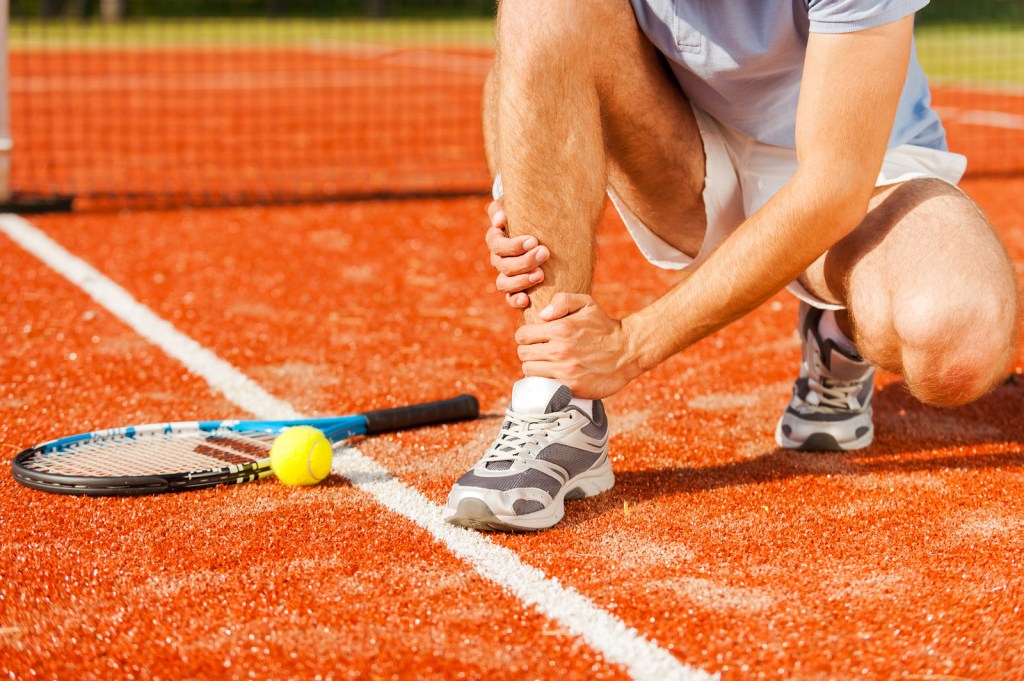
Engaging in sports and physical activities is not without its risks, and sometimes, injuries can occur unexpectedly. Acute sports injuries, such as sprains, strains, fractures, and dislocations, can be disruptive and frustrating. However, with the right knowledge and approach, these injuries can be effectively managed, allowing athletes to recover and return to their sport stronger than ever. In this blog post, we will explore strategies for managing acute sports injuries, from initial response to rehabilitation, to help you navigate the road to recovery.
1. Immediate Care and Injury Assessment:
When an acute sports injury occurs, immediate care is crucial. The R.I.C.E. principle (Rest, Ice, Compression, Elevation) is often recommended in the initial stage to reduce pain, swelling, and inflammation. Applying ice packs, wrapping the injured area with a compression bandage, and elevating the injured limb can help minimize swelling and provide relief. It is also essential to seek medical attention for a proper diagnosis and assessment of the injury’s severity.
2. Professional Guidance and Treatment:
Consulting with a healthcare professional, such as a sports medicine physician or physiotherapist, is vital for proper diagnosis and treatment planning. These professionals have the expertise to evaluate the extent of the injury, provide specific treatment recommendations, and develop a tailored rehabilitation program. Depending on the injury, treatment options may include physical therapy, bracing or casting, medication, or in some cases, surgical intervention.
3. Rehabilitation and Physical Therapy:
Rehabilitation plays a pivotal role in the recovery process after an acute sports injury. A qualified physiotherapist or sports rehabilitation specialist can design a progressive rehabilitation program that includes exercises, stretching, and strengthening techniques to restore mobility, rebuild strength, and improve functional abilities. Adhering to the rehabilitation plan is essential to optimize healing, prevent further injury, and regain full range of motion and functional capacity.
4. Gradual Return to Sport:
Returning to sports after an acute injury requires a gradual and systematic approach. Rushing back too soon can risk re-injury or exacerbate the existing condition. Athletes should work closely with their healthcare team to develop a structured return-to-sport plan. This plan typically includes a progression of sport-specific activities, conditioning exercises, and monitored training sessions to gradually reintroduce the body to the demands of the sport. Regular communication with the healthcare team is essential to ensure that progress is monitored, and adjustments to the plan are made as necessary.
5. Injury Prevention and Conditioning:
Prevention is always better than cure. To reduce the risk of acute sports injuries, athletes should prioritize injury prevention strategies. This includes proper warm-up and cool-down routines, maintaining adequate strength and flexibility, using appropriate protective equipment, and listening to the body’s signals of fatigue or pain. Additionally, athletes can benefit from conditioning programs that target sport-specific movements, improve endurance, and enhance overall physical fitness, reducing the likelihood of injury.
6. Psychological Support:
Dealing with an acute sports injury can be emotionally challenging for athletes. It’s essential to acknowledge and address the psychological impact of the injury. Seeking support from coaches, teammates, and sports psychologists can provide valuable emotional support, help maintain a positive mindset, and aid in the rehabilitation process.
Acute sports injuries may present hurdles in an athlete’s journey, but they also provide an opportunity for growth, resilience, and self-discovery. By following proper injury management protocols, seeking professional guidance, and committing to the rehabilitation process, athletes can overcome acute sports injuries and emerge stronger than before. With a comprehensive approach that includes immediate care, rehabilitation, gradual return to sport, injury prevention, and psychological support, athletes can navigate the path to recovery and ultimately excel in their chosen sport.
Remember, setbacks are temporary, and the road to recovery can be a transformative experience that allows athletes to gain a deeper understanding of their bodies, enhance their skills, and build a solid foundation for long-term athletic success.
 Bench Smart Physio
Leave a comment